Understanding Planning Applications for Solar Installations in the UK


Introduction to Solar Installations
The shift towards renewable energy sources has led to an increasing interest in solar installations across the UK. As homeowners and businesses look to harness solar power, understanding the planning application process is crucial. This guide will help you navigate the requirements and streamline your solar installation journey.

When Is Planning Permission Required?
In many cases, installing solar panels on residential properties does not require planning permission due to permitted development rights. However, there are exceptions. For instance, if your property is a listed building or within a conservation area, you may need to seek approval.
It's essential to check with your local planning authority (LPA) to confirm whether your project qualifies for permitted development. They can provide guidance tailored to your specific circumstances.
Factors That Influence Planning Permission
Several factors can influence whether planning permission is necessary for your solar installation:
- Location: Properties in conservation areas or National Parks may face stricter regulations.
- Building Type: Listed buildings often require special considerations.
- Installation Size: Large-scale installations may need formal approval.

The Planning Application Process
If planning permission is required, the application process involves several key steps. Typically, you'll need to submit detailed plans and specifications of the proposed installation. This includes the type and number of panels, their positioning, and any impact on the surrounding area.
Once submitted, the LPA will review your application, considering factors like visual impact and potential glare. It's advisable to consult with professionals experienced in solar installations to ensure your application meets all necessary criteria.
Appealing a Planning Decision
If your application is denied, you have the right to appeal. The appeals process involves reviewing the original decision and presenting additional information or adjustments to your proposal. Engaging with experts can improve the chances of a successful appeal.
Benefits of Solar Installations
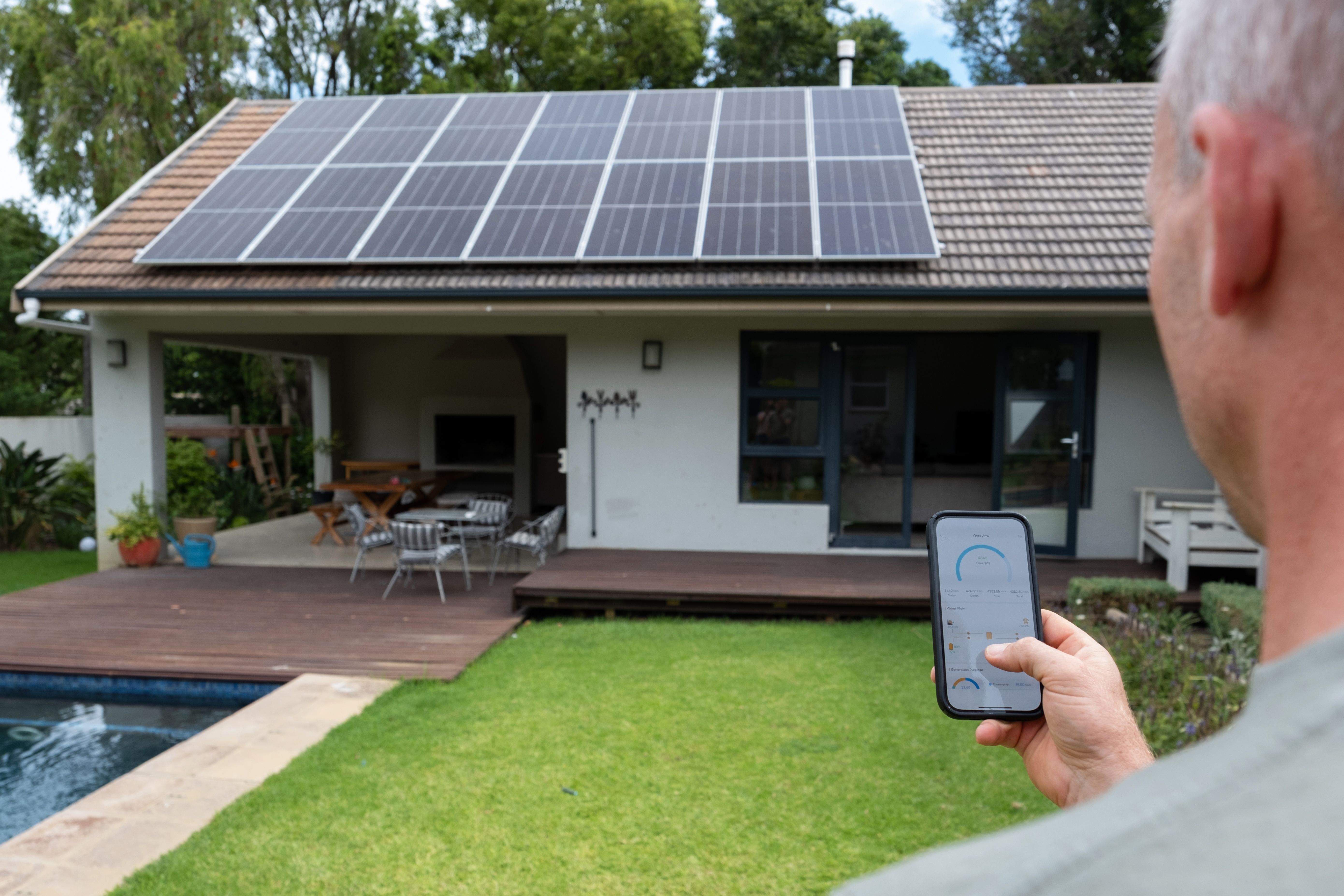
Installing solar panels offers significant benefits, from reducing energy bills to decreasing carbon footprints. Additionally, solar energy can increase property value and contribute to a sustainable future.
The UK government also provides incentives, such as the Smart Export Guarantee, which allows homeowners to sell excess energy back to the grid. These incentives make solar installations an attractive investment for many.
Conclusion
Understanding the planning application process for solar installations is a vital step towards embracing renewable energy. By familiarizing yourself with the requirements and working closely with your LPA, you can ensure a smooth and successful installation. Whether you're a homeowner or a business, the shift to solar energy offers a bright, sustainable future.