Legal Considerations for Small-Scale Project Development


Understanding Legal Requirements
Small-scale project development is an exciting venture that offers numerous opportunities for innovation and growth. However, it also requires careful attention to legal considerations to ensure compliance and avoid potential pitfalls. Understanding the legal landscape is essential for any entrepreneur or small business owner embarking on this journey.
One of the primary legal requirements is obtaining the necessary permits and licenses. Depending on the nature of your project, this may include zoning permits, environmental clearances, or industry-specific licenses. Researching these requirements early in the project development phase can save time and prevent legal complications down the road.

Contractual Agreements
Contracts play a pivotal role in project development, serving as the foundation for relationships with partners, clients, and vendors. Clear and detailed contracts help define responsibilities, deadlines, and payment terms, reducing the risk of disputes. It’s crucial to seek legal advice when drafting or reviewing contracts to ensure all aspects are covered and enforceable.
Non-disclosure agreements (NDAs) are also vital, especially if your project involves sensitive information or proprietary technology. An NDA can protect your intellectual property and maintain confidentiality throughout the development process.
Intellectual Property Protection
Protecting your intellectual property (IP) is a critical consideration in small-scale project development. This includes patents, trademarks, copyrights, and trade secrets. Identifying and registering your IP early can safeguard your innovations and provide a competitive edge in the market.
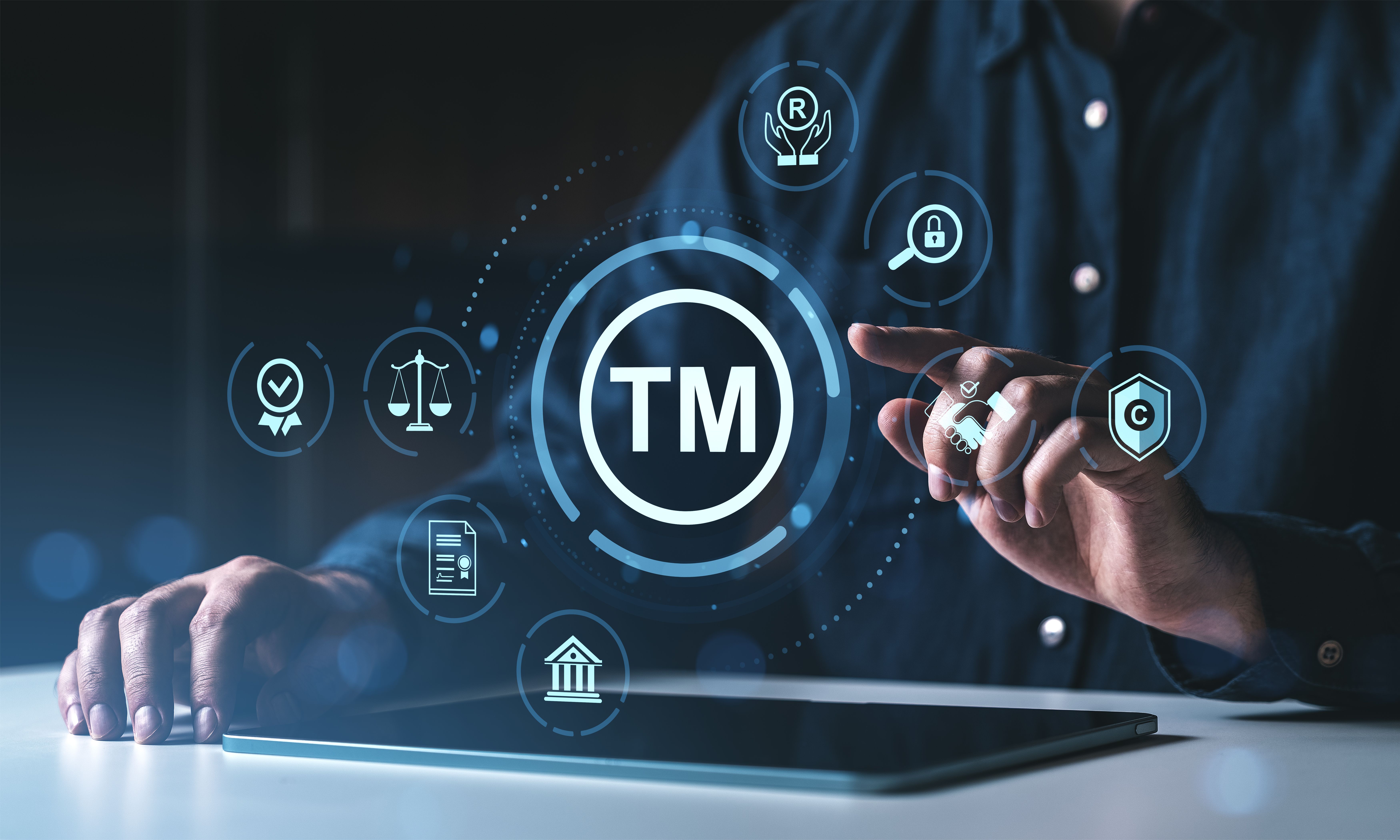
Understanding the different types of IP protection and how they apply to your project is essential. Consulting with an IP attorney can help you navigate the complexities and ensure your creations are adequately protected.
Compliance with Regulations
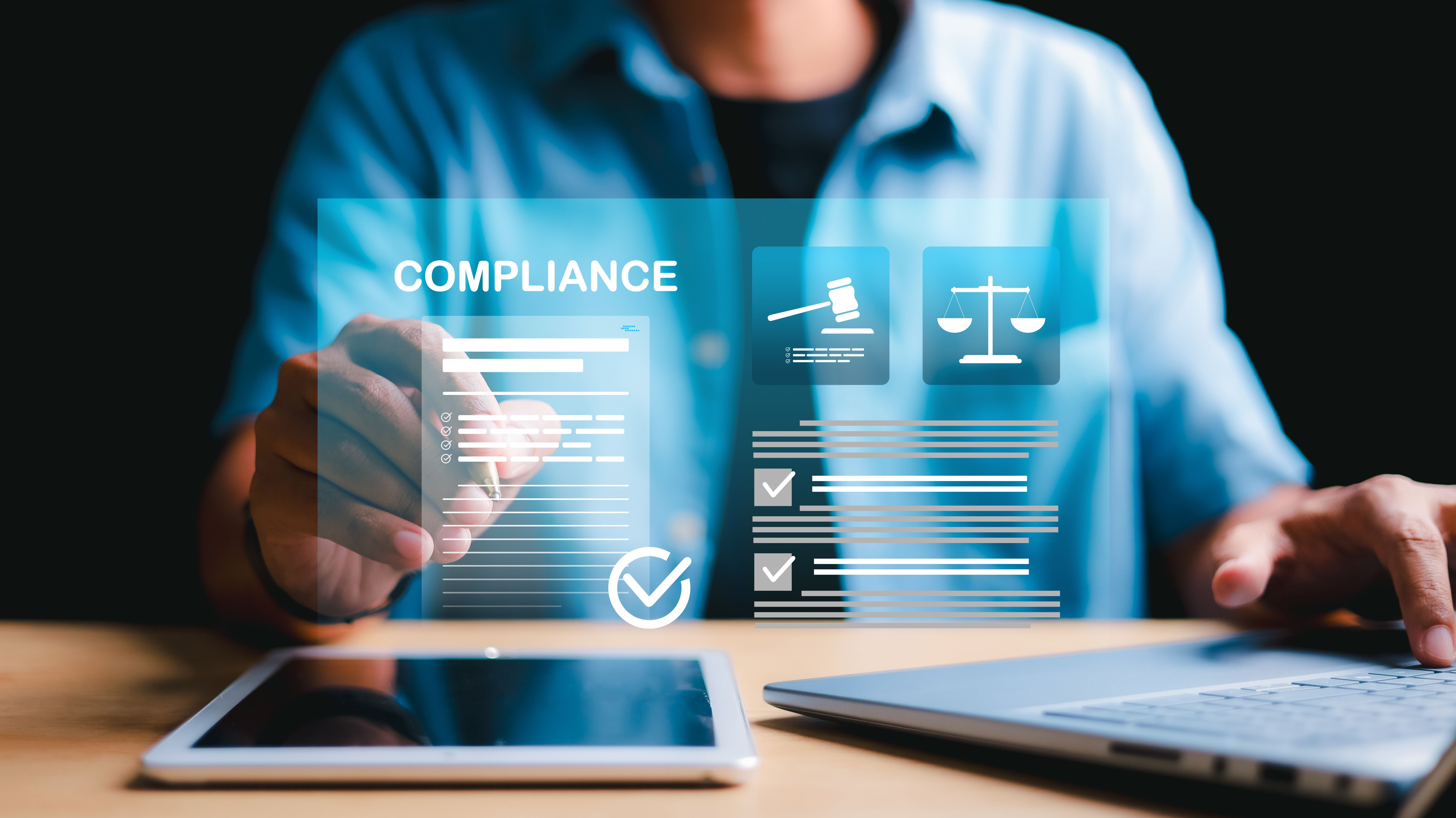
Compliance with industry regulations and standards is another critical aspect of project development. This may involve adhering to safety standards, environmental regulations, or industry-specific guidelines. Staying informed about these regulations and integrating them into your development process is vital to avoid legal issues.
Regular audits and compliance checks can be beneficial to ensure ongoing adherence to relevant laws and standards, helping to maintain your project's integrity and reputation.
Insurance and Liability
Insurance is an essential component of risk management in project development. Different types of insurance, such as liability insurance, professional indemnity, and property insurance, can protect your project from unforeseen events and liabilities.
Determining the appropriate coverage for your project involves assessing potential risks and consulting with insurance professionals. This proactive approach can provide peace of mind and financial protection.
Conclusion
Legal considerations are a fundamental part of small-scale project development. By addressing these aspects proactively, you can build a strong foundation for your project’s success. Whether it’s obtaining necessary permits, drafting solid contracts, protecting intellectual property, ensuring compliance, or securing insurance, each step plays a crucial role in safeguarding your venture.
Engaging with legal professionals and industry experts can provide valuable insights and guidance, helping you navigate the complexities of project development with confidence.