Legal Advice Essentials for Small Scale Projects


Understanding the Basics of Legal Advice for Small Projects
Starting a small-scale project can be an exciting venture, but it’s important to ensure that you have all the necessary legal support in place. Understanding the basics of legal advice can help you avoid potential pitfalls and set a solid foundation for success. Whether you’re launching a new product, starting a freelance business, or undertaking a small construction project, legal considerations should not be overlooked.
Identifying Essential Legal Needs
The first step in securing appropriate legal advice is identifying your specific needs. For small-scale projects, this might include contracts, permits, intellectual property protection, and liability issues. It’s crucial to tailor your approach based on the nature of your project. For instance, creative projects might require copyright considerations, while construction projects may need zoning and permit approvals.
Engaging with a lawyer who specializes in your industry can provide clarity and help streamline the process. They can assist in drafting key documents and provide insights into industry regulations that might affect your project.
Contracts and Agreements
Contracts are the backbone of any project, ensuring that all parties understand their roles and responsibilities. For small projects, clear and concise contracts can prevent misunderstandings and disputes. Key elements to include are the scope of work, payment terms, deadlines, and confidentiality clauses. If you’re working with partners or clients, having these agreements in writing is crucial.

It's advisable to have a legal professional review any contracts before you sign. This helps ensure that your interests are protected and that the contract complies with applicable laws.
Understanding Intellectual Property
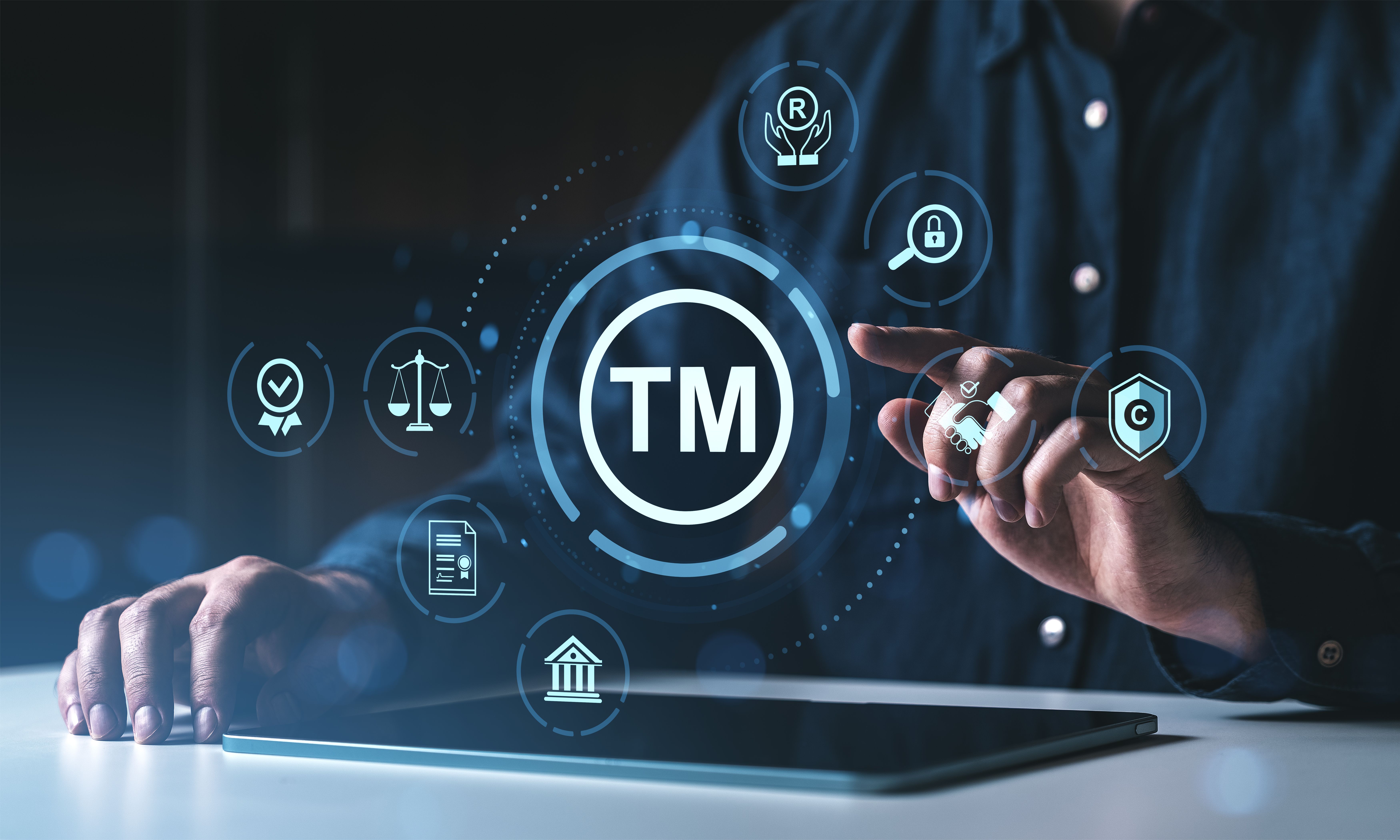
Intellectual property (IP) protection is vital for safeguarding your innovative ideas and creations. Depending on your project, you may need to consider patents, trademarks, or copyrights. These protections can help prevent unauthorized use or reproduction of your work, giving you a competitive edge.
- Patents: Useful for inventions or new processes.
- Trademarks: Protect brand names and logos.
- Copyrights: Cover original works of authorship, like art or literature.
Compliance and Regulatory Considerations
Each industry has its own set of regulations and compliance requirements. Understanding these is crucial for avoiding legal issues down the line. For instance, if you’re in the food industry, health and safety regulations will be a priority. Similarly, digital projects may need to comply with data protection laws.
Staying informed about the latest regulations can be challenging, but it’s essential for legal compliance. Regular consultations with legal experts can help keep your project on the right track.
Managing Liability and Risk
Liability and risk management are key components of legal planning. For small projects, this often involves securing appropriate insurance coverage and understanding potential liabilities. Consider what risks are inherent in your project and how you can mitigate them.
Insurance policies can provide a safety net, protecting you from financial loss due to unforeseen events or legal claims. Consult with an insurance advisor to determine what coverage is best suited for your project’s needs.

Conclusion: The Importance of Legal Preparedness
Legal preparedness is crucial for the success of any small-scale project. By understanding and addressing legal essentials, you can protect your interests and focus on achieving your project goals. Seek professional advice when needed and stay proactive in managing legal aspects. This approach not only minimizes risks but also enhances the credibility and professionalism of your project.