How to Navigate Planning Applications for Large-Scale Solar Projects


Understanding the Basics of Planning Applications
Navigating planning applications for large-scale solar projects can be complex, but understanding the basics is essential. Planning applications are legal requirements that ensure solar projects comply with local and national regulations. They involve detailed submissions that outline the project's scope, environmental impact, and community benefits. Ensuring compliance with these regulations is crucial for the successful deployment of solar energy solutions.
Before starting the application process, familiarize yourself with the specific requirements for solar projects in your jurisdiction. This includes zoning laws, land use regulations, and any local renewable energy incentives. Early engagement with local planning authorities can help streamline the process and address potential concerns.

Conducting a Site Assessment
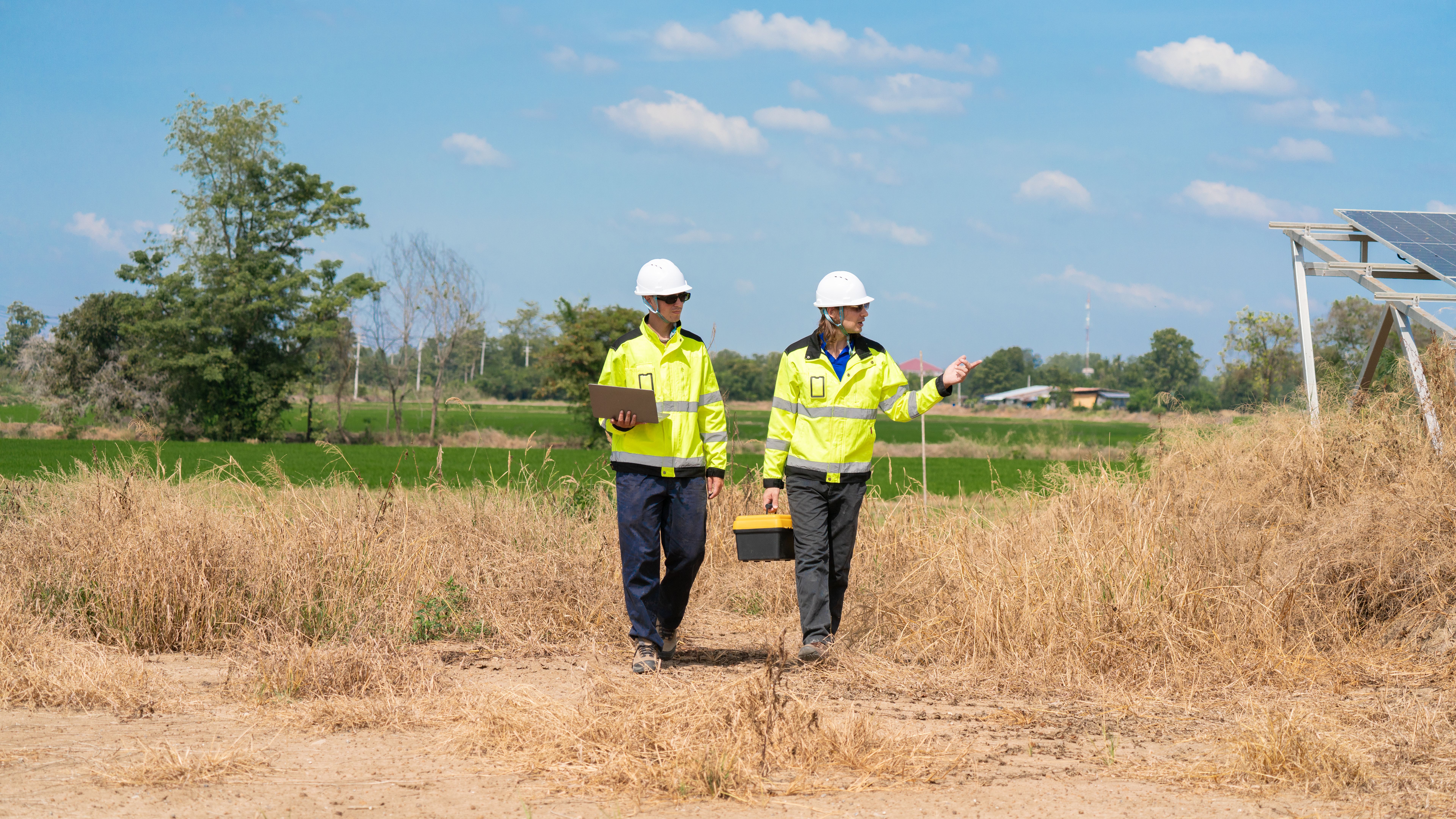
A thorough site assessment is a critical step in planning a solar project. This involves evaluating the land's suitability, including its solar potential, environmental impact, and logistical considerations. Assessments should also consider the site's proximity to existing infrastructure, such as electrical grids and roads, which can significantly influence the project's feasibility and cost.
Environmental impact assessments (EIAs) are often required for large-scale solar projects. These assessments evaluate the potential effects of the project on local ecosystems and communities, helping to identify any necessary mitigation measures. Engaging with environmental consultants can provide valuable insights into potential risks and ensure compliance with environmental regulations.
Engaging with Stakeholders
Successful solar projects often involve collaboration with a variety of stakeholders, including local communities, government agencies, and industry experts. Early and transparent communication with these groups can foster support and address any concerns. Public consultations and community meetings are effective ways to engage stakeholders and gather feedback.
Building strong relationships with local authorities can facilitate the planning application process. They can provide guidance on regulatory requirements and offer insights into local policy priorities. Demonstrating a commitment to community engagement and environmental stewardship can also enhance the project's credibility and support.

Preparing the Application
Preparing a comprehensive planning application is a meticulous process that requires attention to detail. The application should include detailed plans, environmental impact assessments, and evidence of stakeholder engagement. Clarity and precision are essential to ensure the application is easily understood by reviewing authorities.
Working with experienced professionals, such as planning consultants and legal advisors, can enhance the quality of the application. These experts can help navigate complex regulatory landscapes and ensure all necessary documentation is included. Their expertise can also identify potential challenges and suggest strategies to address them.
Submitting and Monitoring the Application
Once the application is prepared, it must be submitted to the appropriate planning authority for review. The review process can vary in length, depending on the complexity of the project and the regulatory framework. Staying informed about the application's status and responding promptly to any requests for additional information is crucial.
Monitoring the application process involves maintaining open communication with the reviewing authority and being prepared to make adjustments if required. This adaptability can help address any issues that arise and increase the likelihood of approval.
Overcoming Common Challenges
Planning applications for large-scale solar projects often face challenges such as regulatory hurdles, environmental concerns, and community opposition. Identifying these challenges early and developing strategies to overcome them is essential. Engaging with experts and stakeholders can provide valuable perspectives and innovative solutions.
Flexibility and resilience are key to navigating the complexities of planning applications. By embracing these qualities and remaining committed to sustainable development, you can successfully bring your solar project to fruition, contributing to a greener and more sustainable future.