How to Integrate Interior Design with Planning Applications


Understanding the Connection Between Interior Design and Planning Applications
Integrating interior design with planning applications is a crucial aspect of developing a harmonious and functional space. Whether you are constructing a new building or renovating an existing one, considering both aspects from the beginning can lead to a more cohesive result. Understanding how these elements interact can save time, reduce costs, and enhance the overall aesthetic appeal of the project.
Planning applications are required for various construction and renovation projects to ensure compliance with local regulations. Meanwhile, interior design focuses on the aesthetics and functionality of interior spaces. By intertwining these two disciplines, you can achieve a seamless and efficient workflow.
Early Collaboration: The Key to Success
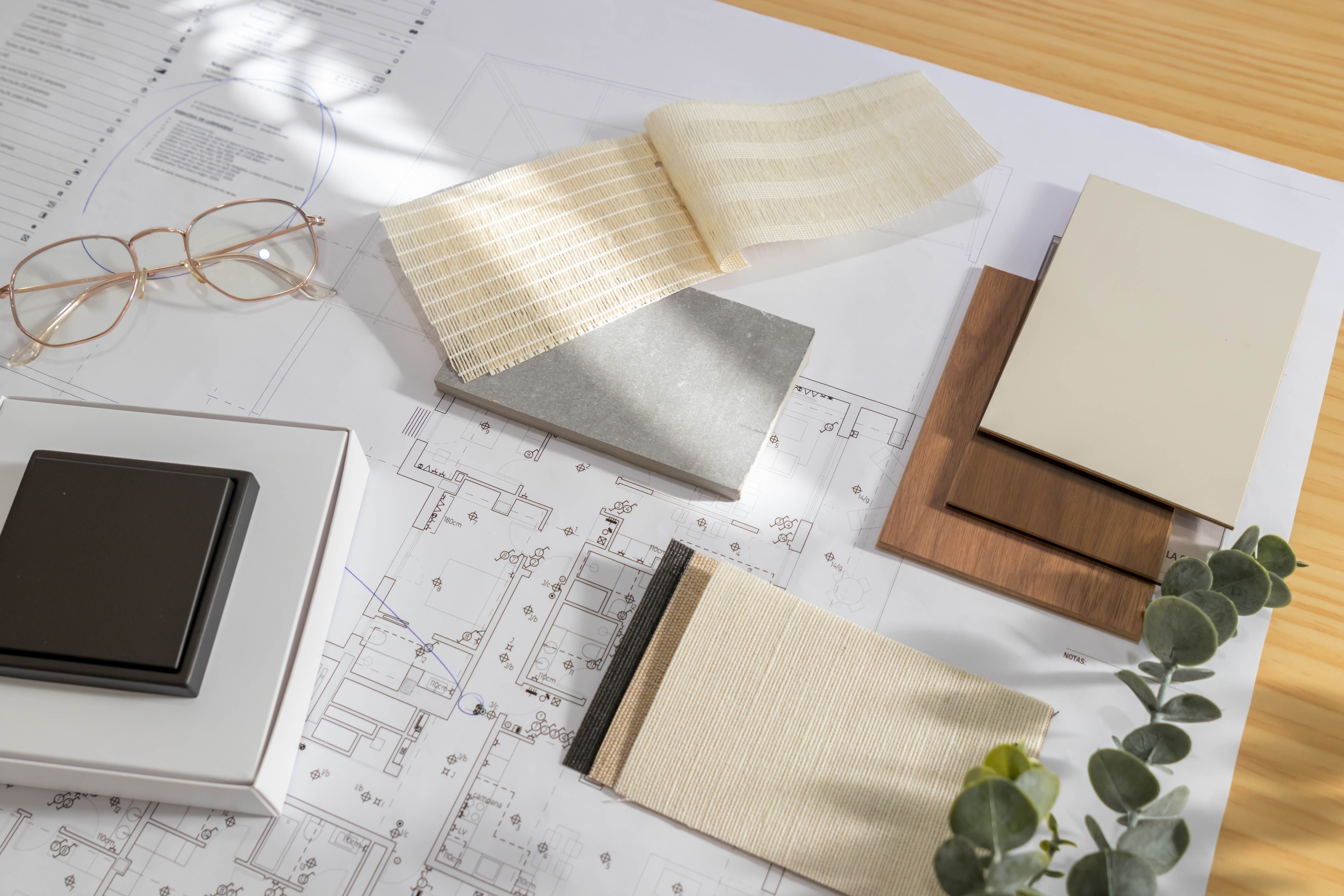
The integration of interior design with planning applications should begin at the earliest stages of a project. Engaging an interior designer during the planning phase allows for valuable input on spatial arrangements, materials, and aesthetics that align with regulatory requirements.
Early collaboration between architects, designers, and planners ensures that all aspects of the project are aligned. This proactive approach can prevent costly redesigns and avoid conflicts with planning authorities. By working together, teams can create innovative solutions that respect both the design vision and legal constraints.

Benefits of Early Collaboration
- Streamlined Process: Reduces the need for revisions and accelerates project timelines.
- Cost Efficiency: Minimizes unexpected expenses and resource wastage.
- Unified Vision: Ensures consistency between exterior and interior design elements.
Design Considerations for Planning Applications
When preparing planning applications, it's important to consider several design aspects. These include spatial layout, lighting, accessibility, and sustainability. Each of these elements plays a vital role in satisfying both aesthetic desires and regulatory requirements.
For instance, understanding how natural light enters a building can influence the placement of windows and interior features. It's also essential to consider accessibility standards to ensure the space is inclusive for all users. By addressing these factors early, you can create a more cohesive design that aligns with planning regulations.
Incorporating Sustainable Design
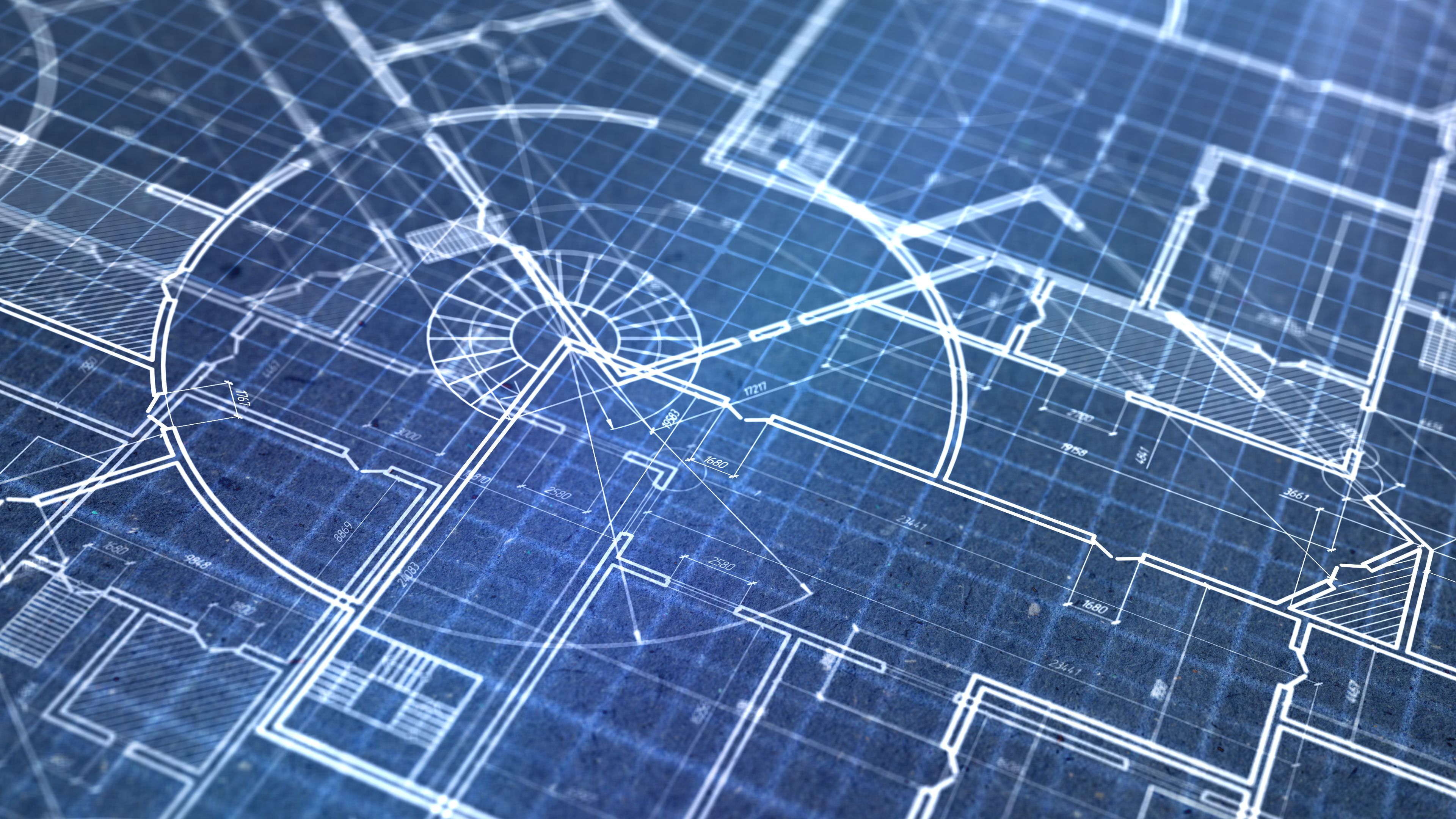
Sustainability is increasingly becoming a central focus in both interior design and planning applications. Choosing eco-friendly materials, optimizing energy use, and incorporating green technologies can enhance the environmental performance of a building. Sustainable design not only meets regulatory requirements but also appeals to environmentally conscious clients.
Incorporating sustainable practices can lead to long-term savings, improved indoor air quality, and a positive impact on the environment. By prioritizing sustainability, projects can achieve a balance between aesthetics, functionality, and environmental responsibility.
Conclusion: Achieving a Harmonious Integration
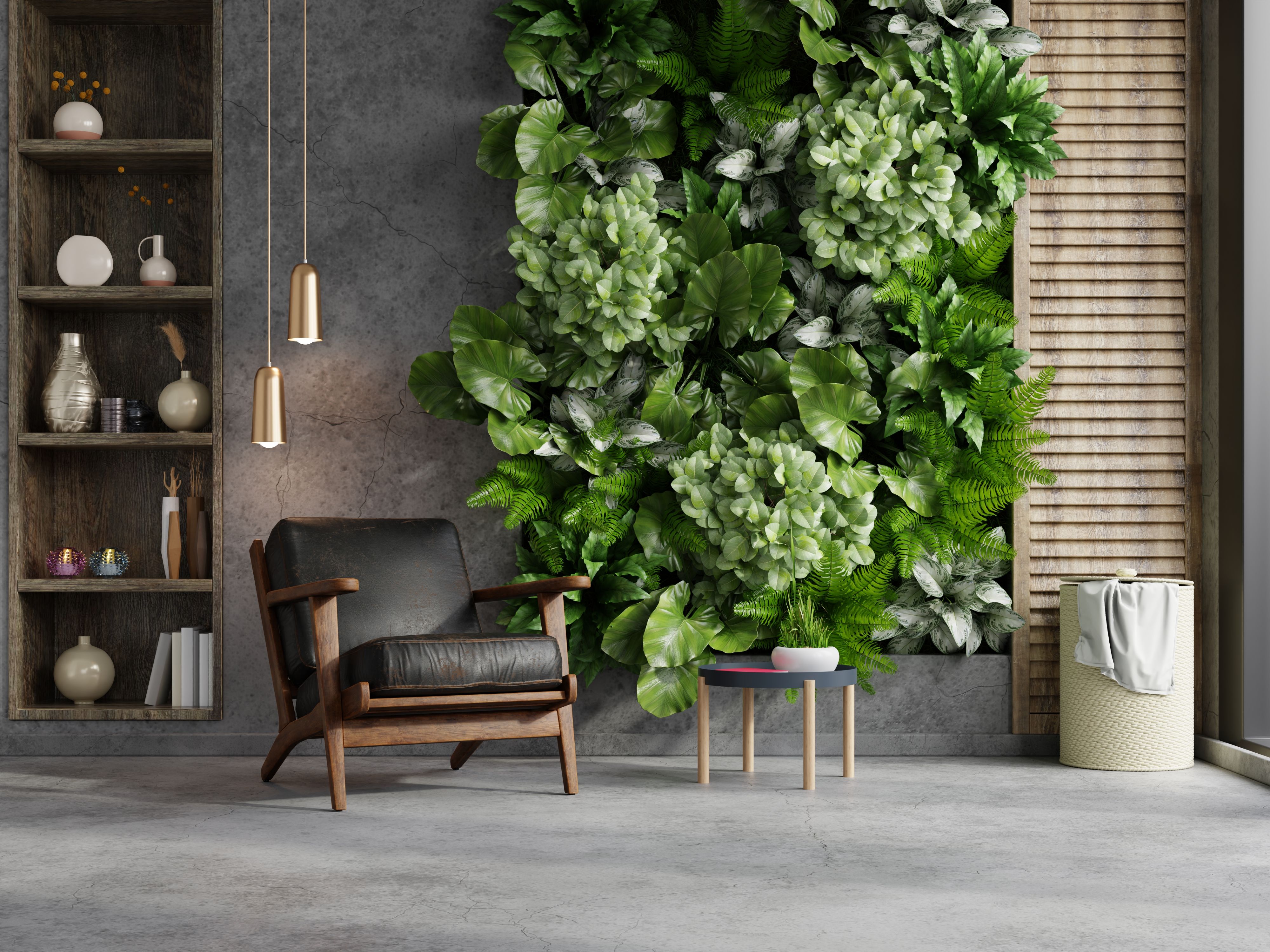
Integrating interior design with planning applications is essential for creating spaces that are both beautiful and compliant with regulations. By fostering early collaboration and considering key design factors, professionals can ensure a smooth project execution. The result is a space that not only meets the client's vision but also adheres to legal and environmental standards.
As the fields of interior design and planning continue to evolve, staying informed about the latest trends and regulations will be crucial for success. By embracing a holistic approach, you can create inspiring spaces that stand the test of time.