Expert Insights: Transform Your Space with Interior Design Essentials


Understanding the Basics of Interior Design
Transforming your space through interior design involves more than just choosing the right colors or furniture. It’s about creating an environment that reflects your personality and meets your functional needs. Understanding the basics of interior design can help you achieve a cohesive and inviting space.
At the core of interior design are the principles of balance, harmony, and proportion. Achieving balance means ensuring that the visual weight of objects is evenly distributed throughout the room. Harmony involves creating a space where all elements work together seamlessly, while proportion focuses on the size relationship between objects and the space.
Choosing the Right Color Palette
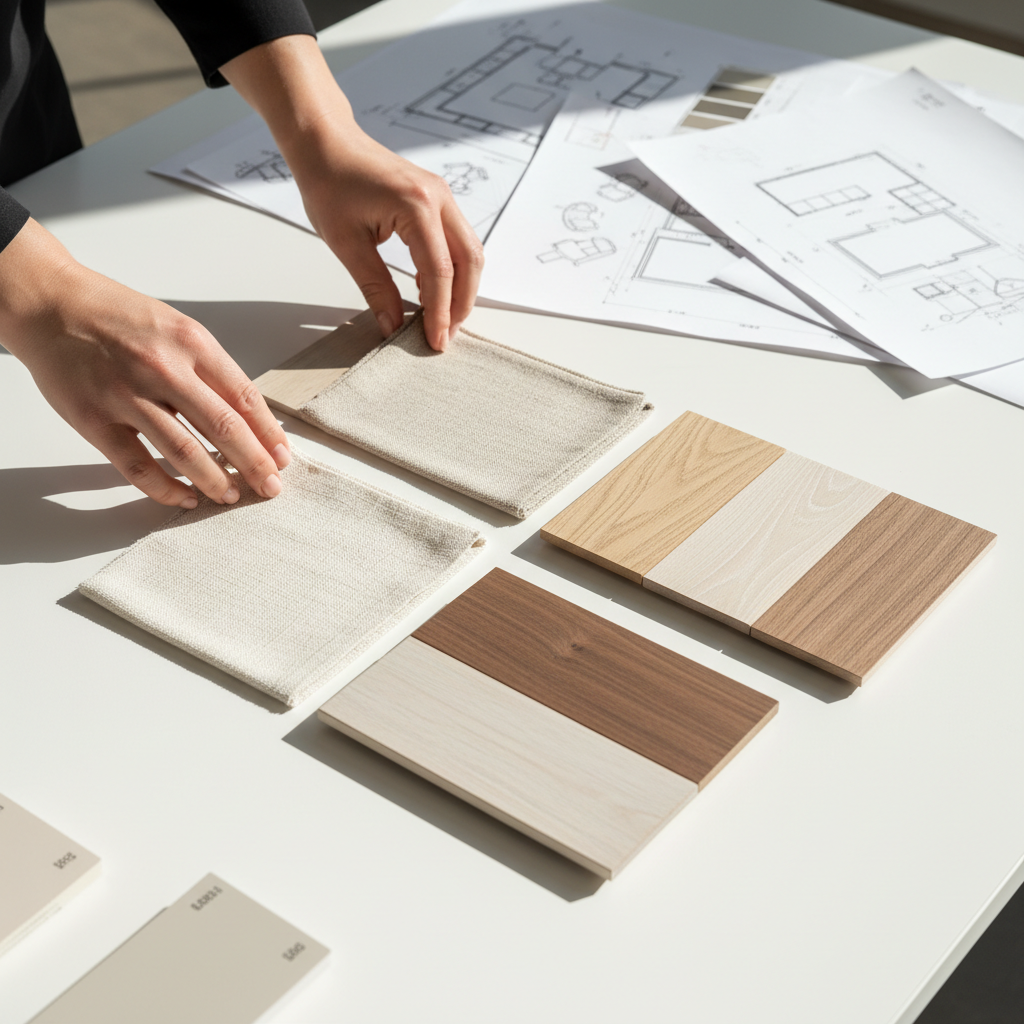
A well-chosen color palette can set the tone for your entire space. Colors can influence mood, create illusions of space, and highlight architectural features. When selecting colors, consider the existing elements in your room, such as flooring and furniture, and choose complementary hues.
Don’t be afraid to use bold colors as accents to add interest and personality. However, ensure they are balanced with neutral tones to prevent the space from feeling overwhelming. A simple way to choose a color palette is to follow the 60-30-10 rule: 60% of a dominant color, 30% of a secondary color, and 10% of an accent color.
Furniture and Layout: Maximizing Space
The way you arrange furniture in a room can significantly impact its functionality and flow. Start by identifying the focal point of the room, such as a fireplace or a large window, and arrange furniture to highlight it. Consider traffic patterns to ensure that the space is easy to navigate.
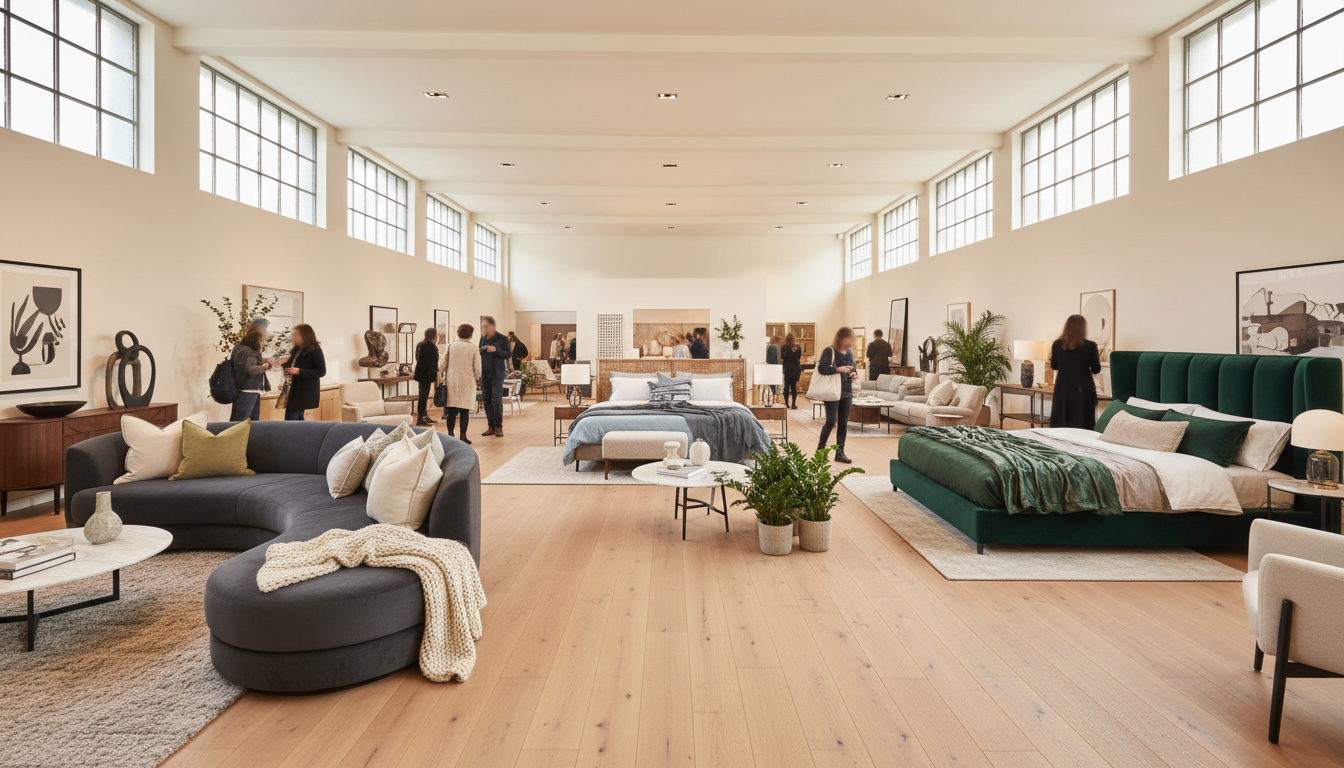
Opt for furniture that fits the scale of the room. Oversized pieces in a small space can make it feel cramped, while too-small furniture in a large room can seem lost. Multi-functional furniture, like storage ottomans or convertible sofas, can be a great addition to maximize space in smaller areas.
Lighting: Setting the Mood
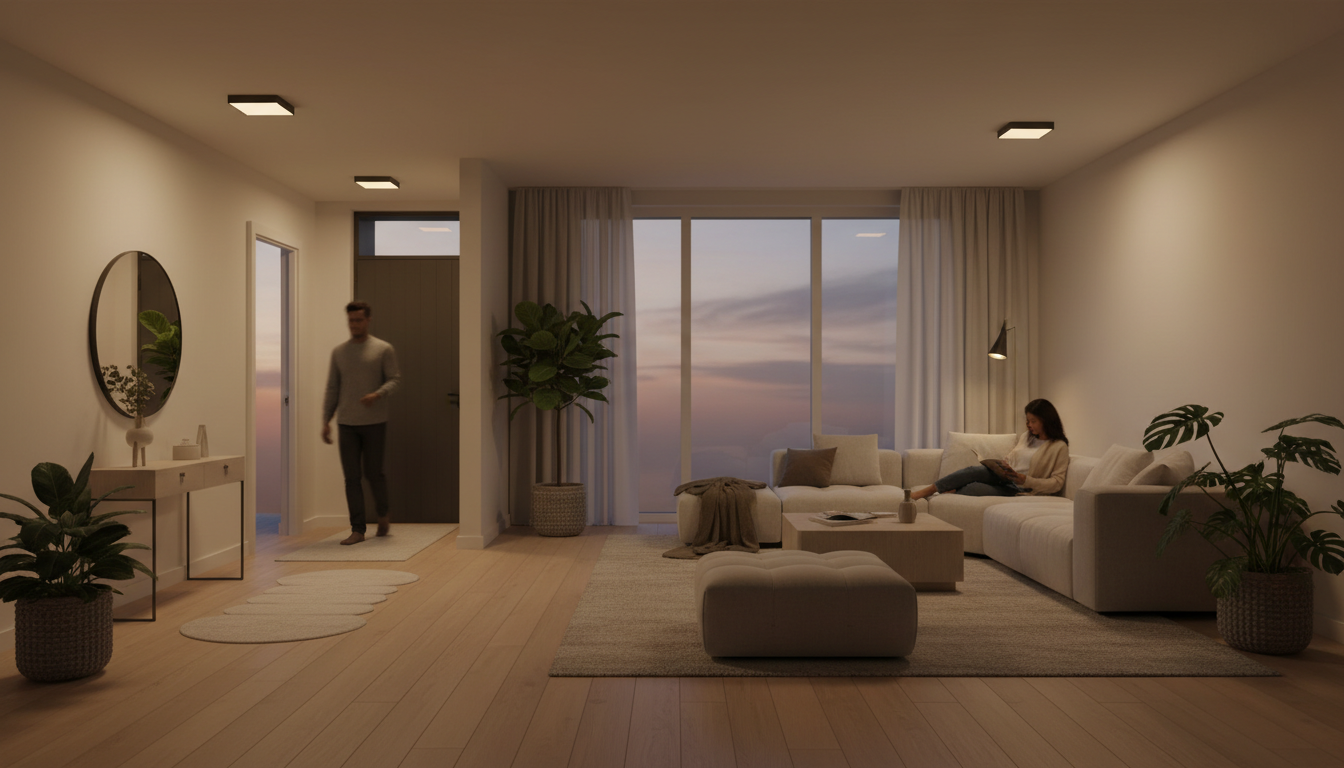
Lighting plays a crucial role in interior design as it affects both aesthetics and functionality. A well-lit room can enhance colors, improve mood, and highlight architectural features. Incorporate a mix of ambient, task, and accent lighting to create a versatile lighting scheme.
Consider the purpose of each area when choosing lighting. For instance, bright task lighting is essential in a kitchen or home office, while softer, ambient lighting may be more suitable for a living room or bedroom.
Accessorizing with Style
Accessories are the finishing touches that personalize your space. They include items like artwork, rugs, cushions, and plants. When accessorizing, start with a few key pieces and build gradually to avoid clutter. Choose items that reflect your style and fit seamlessly with the overall design theme.
Mix textures and materials to add depth and interest. For example, combine a soft wool rug with a sleek metal lamp or a wooden coffee table with a glass vase. Remember, less is often more when it comes to accessories.
Expert Tips for a Successful Interior Design
To ensure your interior design project is successful, consider these expert tips:
- Plan Ahead: Create a mood board or design plan to visualize the space before making any purchases.
- Invest in Quality: Prioritize quality over quantity, especially for key pieces like sofas and dining tables.
- Stay Flexible: Be open to change and willing to adjust your design as needed.
By following these expert insights, you can transform your space into a beautiful and functional environment that meets your needs and reflects your unique style.