Debunking Myths About Solar Project Management


Understanding Solar Project Management
Solar energy is becoming increasingly popular as a sustainable and efficient energy source. However, numerous myths surrounding solar project management can deter businesses and individuals from embracing this technology. In this post, we aim to debunk these myths and provide a clearer understanding of what solar project management truly entails.

Myth 1: Solar Projects Are Too Expensive
One of the most common misconceptions is that solar projects are prohibitively expensive. While initial costs can be high, it's essential to consider the long-term benefits. Solar panels can significantly reduce electricity bills and often pay for themselves over time through energy savings. Additionally, various government incentives and tax credits can alleviate upfront costs, making solar energy more accessible.
Moreover, advancements in technology and increased market competition have led to a decrease in the cost of solar installations. Many financing options are available, such as power purchase agreements (PPAs) and solar leases, which allow for little to no upfront investment.
Myth 2: Solar Projects Are Complicated to Manage
Another myth is that managing a solar project is overly complex. While it does require detailed planning and coordination, experienced project managers and specialized software can streamline the process. By working with knowledgeable professionals, you can ensure that your project is executed smoothly and efficiently.

Project management tools specifically designed for solar installations can help track progress, manage resources, and address any issues that arise. This technology simplifies the process and ensures that projects are completed on time and within budget.
Myth 3: Solar Energy Is Unreliable
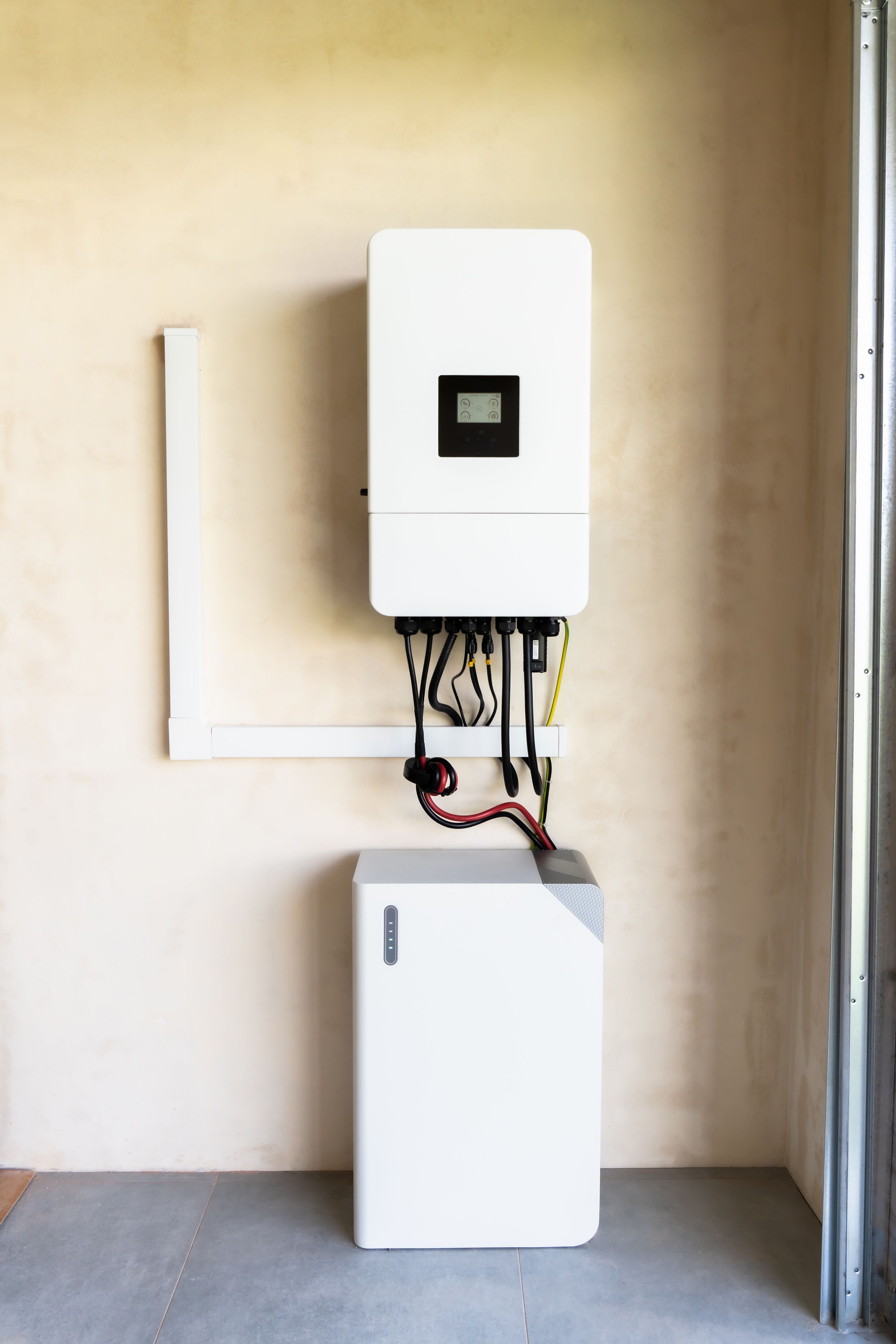
Some people believe that solar energy is unreliable due to its dependence on sunlight. However, modern solar systems are designed to be highly efficient and can store energy for use during cloudy days or at night. Battery storage solutions have advanced significantly, allowing for consistent energy supply even when the sun isn't shining.
Additionally, solar technology is continually evolving, with improvements in photovoltaic (PV) cells and inverters increasing the reliability and efficiency of solar power systems.
Myth 4: Solar Projects Have a Negative Environmental Impact
Concerns about the environmental impact of solar projects, such as land use and resource consumption, are often exaggerated. Solar energy is a clean and renewable resource that significantly reduces greenhouse gas emissions compared to fossil fuels. Furthermore, many solar projects are designed with sustainability in mind, utilizing land that is otherwise unsuitable for agriculture or development.
Manufacturers are also making strides in reducing the environmental impact of solar panel production by using recyclable materials and improving manufacturing processes.
Conclusion: Embracing Solar Energy
Debunking these myths is crucial for encouraging more widespread adoption of solar energy. By understanding the realities of solar project management, businesses and individuals can make informed decisions and contribute to a more sustainable future. Embracing solar technology not only benefits the environment but also offers financial and energy security advantages.