Comparing Small vs. Large Scale Solar Projects: Key Considerations


Understanding Solar Projects: Small vs. Large Scale
The growth of solar energy has been remarkable, with both small and large-scale projects playing pivotal roles. Choosing between these scales depends on various factors including budget, location, and energy needs. In this post, we will delve into the key considerations for each type of project.
Energy Output and Efficiency
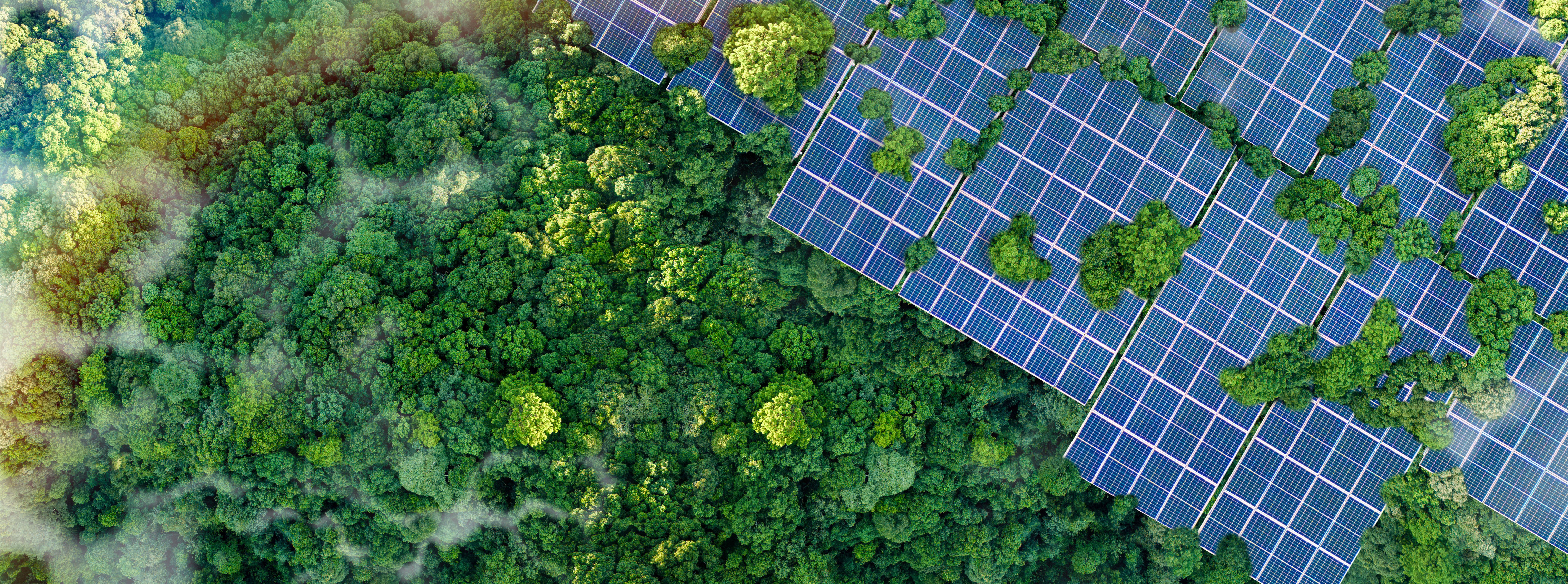
One of the primary distinctions between small and large-scale solar projects is energy output. Small-scale systems, such as residential solar panels, are designed to meet the energy needs of a single home or small business. Conversely, large-scale solar farms are built to supply power to hundreds or thousands of homes.
Efficiency also varies significantly. Large-scale projects benefit from economies of scale, often resulting in lower costs per watt of electricity produced. However, small systems can be more efficient in terms of energy use per square foot of installation.
Installation and Maintenance
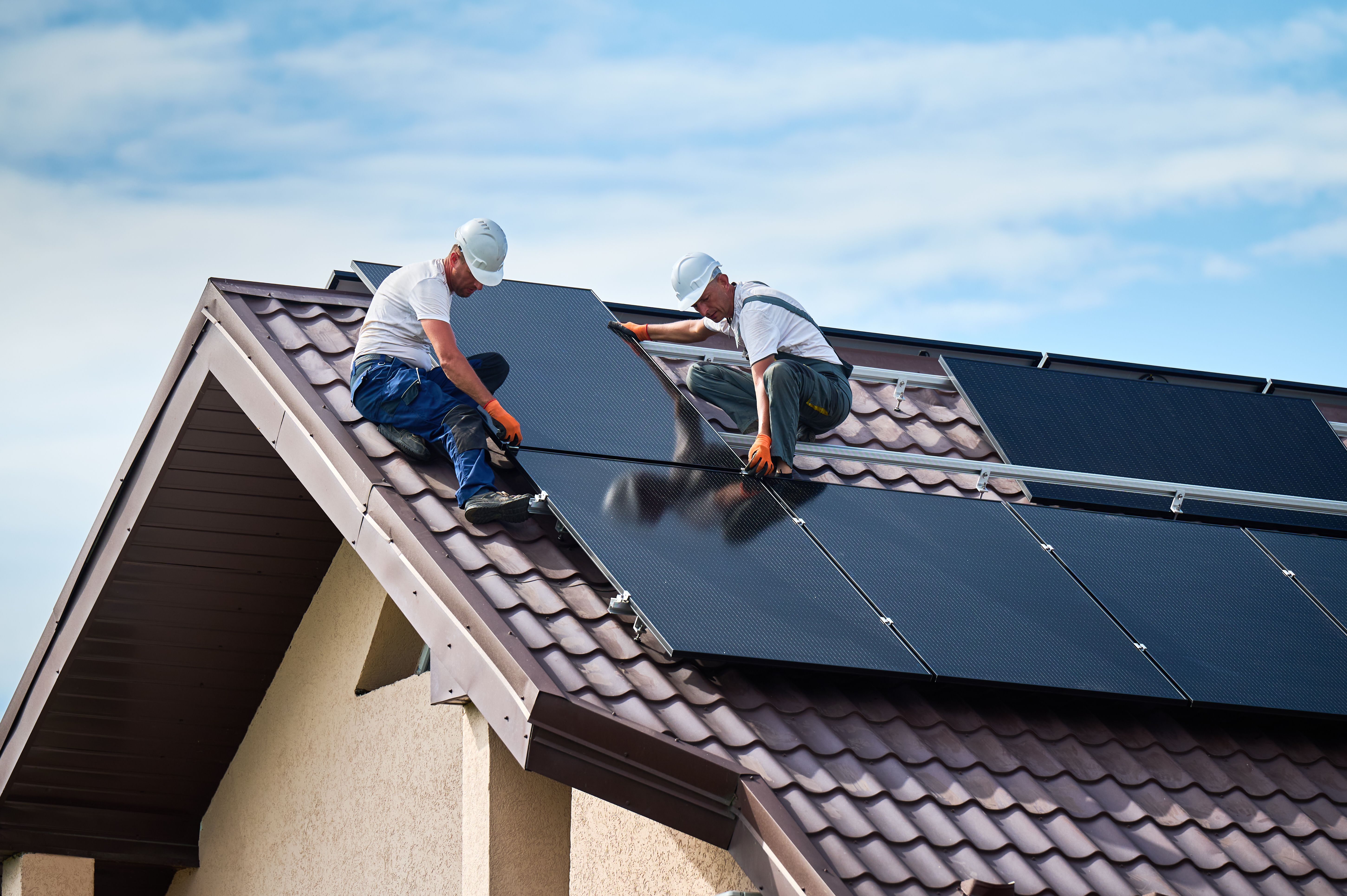
Installing a small solar system is generally quicker and less complex than setting up a large-scale project. Residential installations can often be completed in a few days, while larger projects may take several months to over a year to complete.
Maintenance requirements also differ. Small systems require less frequent and less intensive maintenance, whereas large-scale projects often demand a dedicated team to manage ongoing operations and repairs.
Cost Considerations
The cost of solar projects can be influenced by scale. Small-scale systems typically have a higher cost per watt due to the lack of bulk purchasing and installation efficiencies. However, they require a smaller initial investment, making them more accessible to individuals and small businesses.
Large-scale projects, while more expensive overall, benefit from reduced costs per unit of energy, resulting in longer-term savings. These projects often require significant upfront capital and are usually financed through complex funding arrangements.
Environmental Impact
Both small and large-scale solar projects offer environmental benefits by reducing reliance on fossil fuels. However, large-scale solar farms can have a more pronounced impact on local ecosystems due to their size and land use.
Small systems, being installed on existing structures like rooftops, generally have a minimal environmental footprint. They also contribute to decentralized energy production, which can enhance grid resilience.
Regulatory and Policy Factors
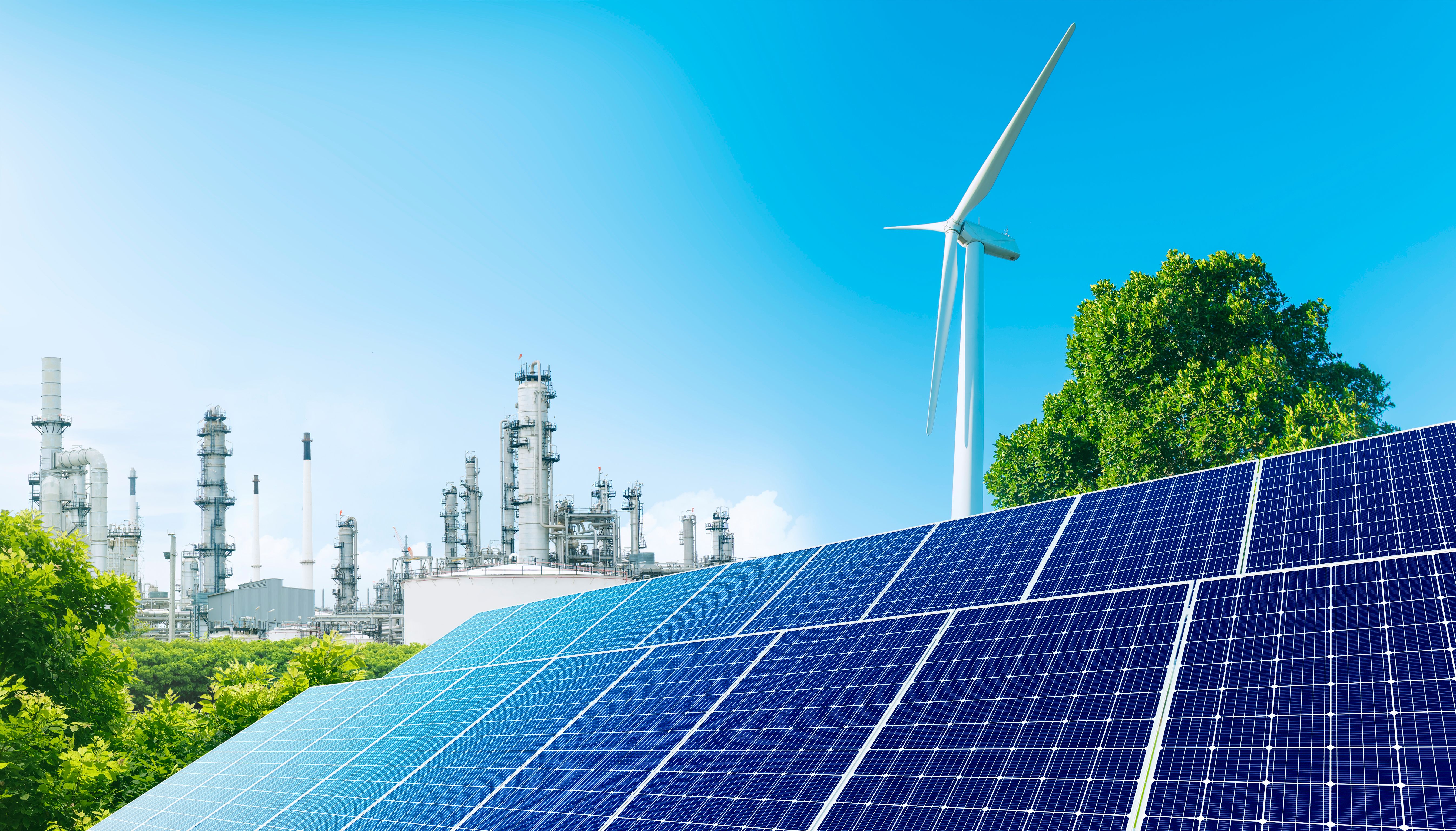
Regulatory considerations are crucial in deciding between small and large-scale solar projects. Large projects often face more stringent regulatory requirements and longer approval processes. Local zoning laws, environmental assessments, and grid connection agreements play significant roles in these projects.
Smaller projects generally have fewer regulatory hurdles, although they may still require permits and inspections. Incentives and subsidies can vary significantly by region and project size, influencing the financial viability of solar installations.
Conclusion
Choosing between small and large-scale solar projects involves weighing various factors such as energy needs, budget, and environmental considerations. Both types of projects contribute to a sustainable energy future, but the right choice depends on individual circumstances and goals. As solar technology advances and policies evolve, both options continue to offer viable paths toward renewable energy adoption.